Immune Deficiency Foundation names new medical director
February 13, 2026

The more you understand about primary immunodeficiency (PI), the better you can manage it. Learn about PI diagnoses and treatment options.

Living with primary immunodeficiency (PI) can be challenging, but you’re not alone—many people with PI lead full and active lives. With the right support and resources, you can, too.

Be a hero for those with PI. Change lives by promoting primary immunodeficiency (PI) awareness and taking action in your community through advocacy, donating, volunteering, or fundraising.

Whether you’re a clinician, researcher, or an individual with primary immunodeficiency (PI), these resources will help you advance the field. Get details on surveys, grants, and clinical trials.
Baltimore, MD
The Immune Deficiency Foundation has announced the appointment of Dr. Paula Henao as its new medical director. In this role, she will oversee the organization’s research program and provide a key voice in clinician education and public policy initiatives.
“Paula brings exactly the leadership we need at this exciting juncture in our organization's growth,” said Jorey Berry, President & CEO. “Her clinical expertise, combined with her unwavering dedication to accessible care, positions us to make an even greater difference in the lives of individuals and families affected by primary immunodeficiency (PI). We're confident her vision for bridging research and practice will strengthen our impact for years to come.”
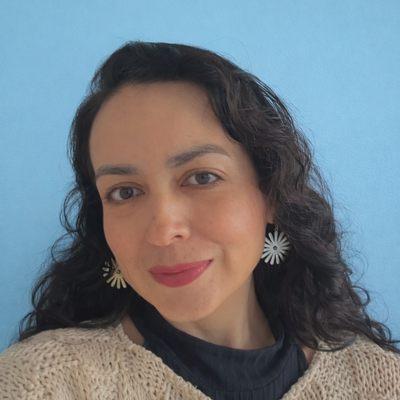
Henao, an associate professor of allergy, asthma, and immunology at Penn State Health Milton S. Hershey Medical Center, has a longstanding relationship with the Immune Deficiency Foundation. Prior to her appointment as medical director, she played a pivotal role in the Project ECHO (Extension for Community Health Outcomes) clinician education series—a collaboration between Project ECHO at Penn State College of Medicine and the Immune Deficiency Foundation. The ten-session virtual series helped providers recognize the signs of primary immunodeficiency and take timely steps toward diagnosis.
“I'm honored to join the Immune Deficiency Foundation as medical director at such a pivotal moment for clinical immunology,” Henao said. “Through my work with the Project ECHO series, I've seen firsthand the organization's remarkable impact on improving diagnosis and empowering patients through education. In this new role, I'm committed to translating complex immunologic research into practical solutions that address the real-world challenges our community faces every day. Together, we'll work to dismantle barriers to care and ensure safer, more equitable outcomes for everyone living with an immune deficiency."
Throughout her career, Henao has been deeply engaged in medical education and is recognized for her dedication to mentorship, communication, and humanistic practice. Her commitment to excellence has earned her multiple honors, including the prestigious Leonard Tow Humanism in Medicine Award.
A graduate of Wesleyan University (BA) and Perelman School of Medicine at the University of Pennsylvania (MD), Henao completed both her internal medicine residency and allergy & immunology fellowship at Penn State Milton S. Hershey Medical Center and is board-certified in internal medicine and allergy, asthma & immunology.
Primary immunodeficiencies (PIs), also known as inborn errors of immunity (IEI), are a group of more than 550 rare, chronic conditions in which part of the body's immune system is missing or does not function correctly. According to the National Institutes of Health, there are approximately 500,000 individuals in the U.S. with a PI. These conditions are caused by hereditary genetic defects and can affect anyone, regardless of age, gender, or ethnicity. PI can cause infection, malignancy (cancer), allergy, autoimmunity, autoinflammation, or any simultaneous combination of these issues.
The Immune Deficiency Foundation is the largest primary immunodeficiency (PI) patient advocacy group in the United States, with 44 years of expertise in primary immunodeficiency. As such, we take pride in helping to connect, engage, and empower families to live longer, stronger, healthier lives. Whether you are looking for subject matter experts on PI (clinicians or patients), information about an upcoming event, or a statement from the organization on a particular topic, we can offer guidance and resources in a variety of areas, including:

Receive news and helpful resources to your cell phone or inbox. You can change or cancel your subscription at any time.