IDF logo
Man in a red cape with arms crossed.

Be a hero. Donate plasma.

For people with primary immunodeficiency (PI) and many other rare, chronic conditions, plasma-derived medication is a lifelong treatment—and plasma donors are their heroes.

What is plasma?

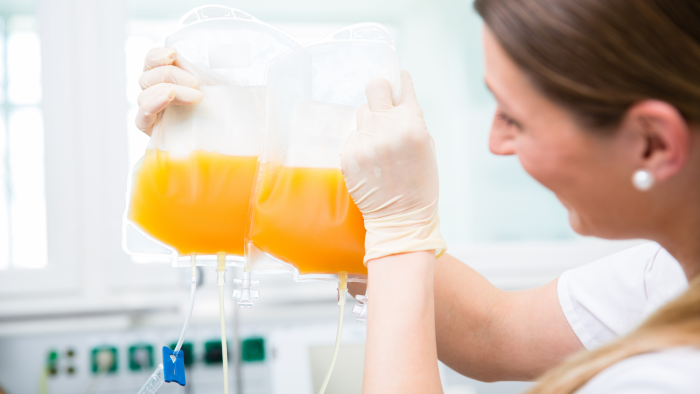
Plasma is the liquid part of blood that carries cells and proteins throughout the body. Hospitals use plasma donated by healthy volunteers to treat trauma, burn, or shock patients. Donated plasma is also used to create plasma-derived therapies that treat a variety of chronic, rare diseases like blood clotting disorders and immune system conditions. Plasma-derived therapies replace missing or non-working proteins in these individuals, which allows them to lead healthier lives.
plasma

What is a Plasma Hero?

A Plasma Hero is someone who steps up, donates their plasma, and saves lives.

The global demand for plasma has grown steadily over the years and has now reached a critical point. More than ever, we need Plasma Heroes to donate so we can continue to treat those who rely on plasma-derived therapies.

Creating plasma-derived therapies is time and labor-intensive, so there's no quick way to simply "make more." The process depends entirely on a consistent supply from donors—like you.

How to get involved

You don't have to just watch heroes in movies or read about them in comic books—you can be one. Put on your metaphorical super suit and head to your nearest donation center today!

Time commitment: Approximately 90 minutes per donation.

Requirements: At least 18 years old, over 110 pounds, and in general good health.

Important note: Plasma can only be used after you complete an initial screening and return for a second donation, so ongoing commitment is essential.

Surprising facts & frequently asked questions about plasma

Find answers to your questions about blood plasma. What is it? Where is it used? Why is it so important?

Blood is made up of red blood cells, white blood cells, platelets, and plasma. Plasma makes up 55% of blood, and is one of its most critical components, as it carries cells and proteins throughout the body. Though blood is red when it comes out of the body, plasma is a light yellow. Plasma is 90% water but also contains essential enzymes, proteins, and salt.

All plasma is generally the same. However, source plasma is collected from donors to manufacture plasma-derived therapies. Source plasma is the plasma donated through plasmapheresis. When plasma is extracted from whole blood donation, it’s called recovered plasma. Only 250 milliliters of plasma can be recovered from each whole blood donation, while source plasma donors can supply up to 800 milliliters of plasma in a single donation. Additionally, convalescent plasma is an antibody-rich product made from plasma donated by someone who has recovered from an infection, such as COVID-19. Convalescent plasma is useful too, as some of the same people who need plasma-derived therapies need convalescent plasma.

You donate plasma at plasma donation centers. Whether you need to make an appointment depends on the donation center. Find the one nearest you and call to find out if you need an appointment and any other items you might need to bring along. Many have a simple sign-up process online, as well. Keep in mind that plasma donation is a commitment. Donors must return for a second donation within a 6-month timeframe, or the first donation will be discarded. A first-time donation is great, but you must donate twice to make a difference!

Is it safe to donate plasma? Yes! There’s no super strength needed to donate plasma. Each certified plasma donation center is sterile and operated by trained medical professionals to make sure that plasma donors donate safely. Unlike regular blood donation, which can only be done once every eight weeks, you can donate plasma up to two times within a 7-day period. The body replenishes plasma proteins and fluid within 24-48 hours after a donation, making it safe to donate more frequently than a whole blood donation.

Plasma donors must be at least 18 years of age, weigh more than 110 pounds, and be in good health. Before donors give plasma, they are required to pass a health screening and provide proof of identity and address. There are also some common situations that could make you ineligible to donate; however, donor eligibility is at the sole discretion of each plasma donation center. If you have questions about your eligibility, you should speak to your local plasma donation center.

In short, no. Whole blood donation is the most common type of blood donation, and whole blood is typically used to help trauma patients and patients undergoing surgery. The blood donation and source plasma donation processes are similar, but there are key differences.

When you make your appointment, you will receive specific instructions about what to bring with you. Generally, you’ll need proof of identity, proof of address, and a valid social security card. Make sure you eat a light meal before you arrive and drink plenty of water in the hours leading up to your donation. Bringing something to read to pass the time is always a good idea. For more information check out this article: How to prepare for a successful plasma donation.

When you arrive, you’ll be asked to provide appropriate paperwork and to complete a health screening and a blood test. Once the screening is complete, you are ready to donate. The process used to collect plasma is called plasmapheresis. During this process, whole blood is collected and the plasma is separated from blood cells and other components. The blood (minus the plasma collected) is then returned to your body, along with a sterile saline solution to help replace the plasma that was removed. Your first donation will take approximately two hours. Return visits take much less time. You will be compensated for donating plasma in the U.S., typically between $30-50 per donation, depending on your weight and how much you are allowed to donate. This compensation is for your time. 

Plasma is used to create different therapies to help replace missing or deficient proteins in individuals with serious, often life-threatening diseases, such as as hemophilia and primary immunodeficiency. The plasma is frozen after donation to await confirmation of tests ensuring the health of the plasma. From there, it goes to a facility for production. It can take approximately 12 months from donation until the product is available for patients. 

Millions of liters of plasma must be donated annually to create enough life-changing medications to help those in need. For many with rare diseases, plasma-derived therapies are the only option for lifesaving treatment. The individuals who use these therapies typically rely on them for life, which means that they need to get regular injections or infusions of these plasma-derived therapies. Donated plasma is used to produce these lifesaving therapies. These therapies include clotting factors, immunoglobulin (also known as antibodies), alpha-1 antitrypsin, albumin, hyperimmune globulins, and more. Just as there is no substitute for blood, there is no substitute for the therapeutic proteins that come from plasma.

This page contains general medical and/or legal information that cannot be applied safely to any individual case. Medical and/or legal knowledge and practice can change rapidly. Therefore, this page should not be used as a substitute for professional medical and/or legal advice. Additionally, links to other resources and websites are shared for informational purposes only and should not be considered an endorsement by the Immune Deficiency Foundation.