Couple turns challenges into hope through plasma donation
December 15, 2025

The more you understand about primary immunodeficiency (PI), the better you can manage it. Learn about PI diagnoses and treatment options.
Living with primary immunodeficiency (PI) can be challenging, but you’re not alone—many people with PI lead full and active lives. With the right support and resources, you can, too.

Be a hero for those with PI. Change lives by promoting primary immunodeficiency (PI) awareness and taking action in your community through advocacy, donating, volunteering, or fundraising.
Whether you’re a clinician, researcher, or an individual with primary immunodeficiency (PI), these resources will help you advance the field. Get details on surveys, grants, and clinical trials.
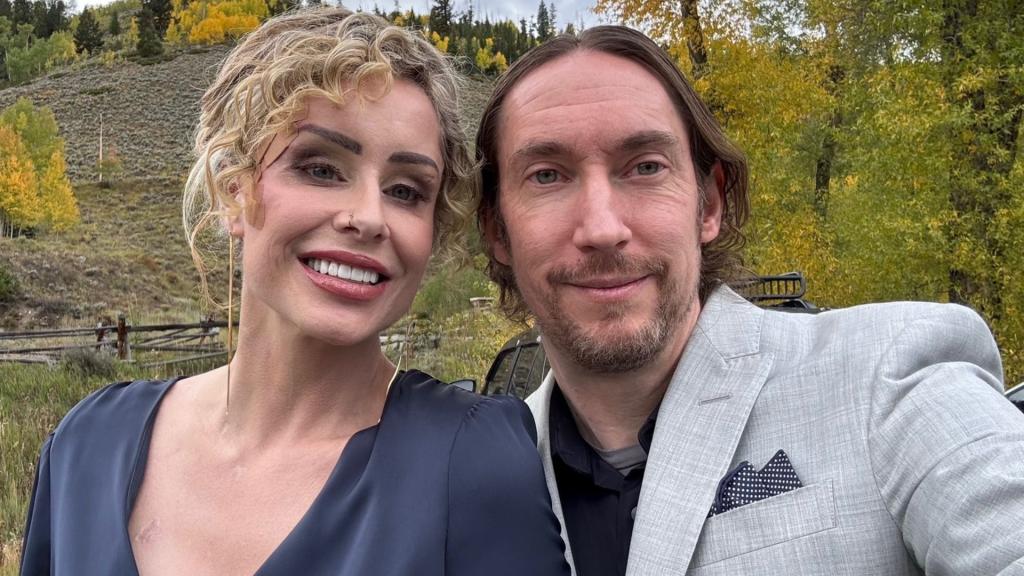
Jason Walp and Kiersten Drummond had just begun writing their happily-ever-after story. Walp was thriving in his web services technical career, and together they were exploring Colorado's stunning landscapes with their two dogs, a Golden Retriever and a French Brittany. Then came the diagnosis that would reshape their future: Drummond had a primary immunodeficiency. Suddenly, some of their dreams needed to be reoriented around a new reality.
Three years ago, Drummond started receiving immunoglobulin (Ig) replacement therapy to manage her condition. Watching his wife depend on medication made from donated plasma week after week, Walp felt called to action. He decided to become a plasma donor himself, transforming his role from caregiver into someone who could help others facing similar challenges.
"Loving someone with a chronic illness is different every day," Walp explained. "You plan for things not to go well, and you are glad when they go smoothly, but ready for when they don't. Immunity is something we can take for granted, so I have to remember to be patient and listen."
This wasn't Walp's first attempt to donate. In high school, he tried to follow in his father's footsteps by giving blood. That attempt ended with him fainting. The memory could have been enough to keep him away from donation centers forever. But plasma donation proved to be an entirely different experience. For two months now, he has kept a weekly appointment at his local plasma donation center, and it has gone smoothly every time.
The process takes about an hour from start to finish. It begins with a health questionnaire and a short physical examination before the actual donation. Unlike his high school experience, Walp has found the process manageable and comfortable. He's discovered that preparation makes all the difference.
His advice to prospective donors is straightforward: drink plenty of water before and after donation to speed up the process and aid recovery. Maintaining a healthy, low-fat, high-protein diet matters too, as the center runs a protein test to qualify donors. But beyond the practical tips, Walp emphasizes something more important: remembering the people your donation directly helps.
"When we think of all the bad in the world, it's easy to feel helpless," Walp reflected. "There are so many things we feel we can't influence in the world, far away or close by. Specifically, when it comes to people's health, there is often very little we can do. But plasma donation has a direct impact on people, whether we love and care about them or they are strangers."
For Walp, plasma donation represents more than just an hour out of his week. It's a tangible way to turn the challenges he and Drummond face into hope for others. Every donation connects him to people like his wife—people who depend on the generosity of strangers to maintain their health and quality of life. In a world where we often feel powerless to help, Walp has found one clear way to make a difference.

Receive news and helpful resources to your cell phone or inbox. You can change or cancel your subscription at any time.