
Rheumatologist to discuss autoimmunity at National Conference
May 07, 2026

The more you understand about primary immunodeficiency (PI), the better you can manage it. Learn about PI diagnoses and treatment options.

Living with primary immunodeficiency (PI) can be challenging, but you’re not alone—many people with PI lead full and active lives. With the right support and resources, you can, too.

Be a hero for those with PI. Change lives by promoting primary immunodeficiency (PI) awareness and taking action in your community through advocacy, donating, volunteering, or fundraising.

Whether you’re a clinician, researcher, or an individual with primary immunodeficiency (PI), these resources will help you advance the field. Get details on surveys, grants, and clinical trials.
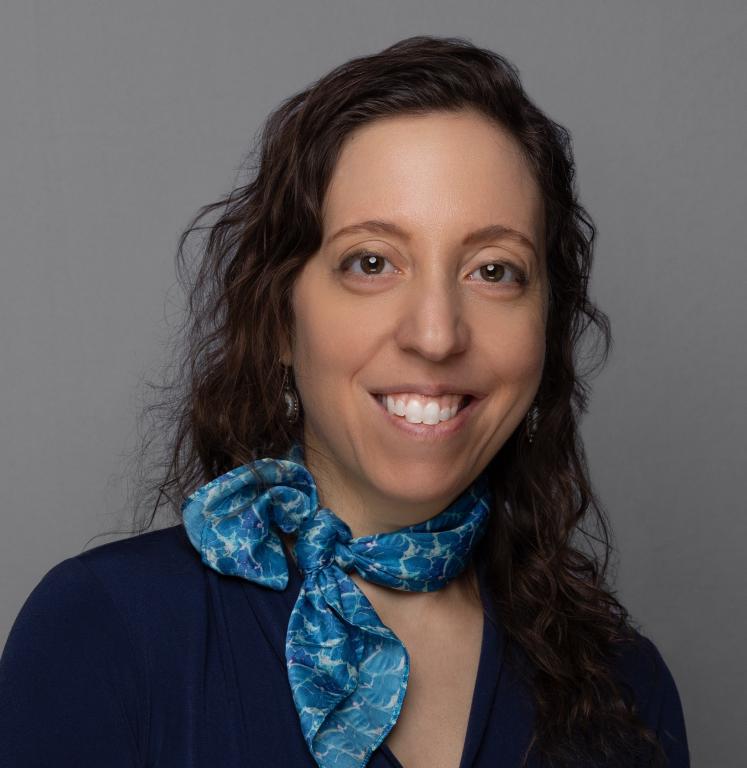
Dr. Daniella Schwartz advises anyone with primary immunodeficiency (PI) to consider seeing a qualified rheumatologist. Patients may have a misconception that rheumatologists treat only joint pain when, in fact, they examine and treat immune-related problems just like immunologists.
“Immunologists treat immune deficiencies and allergies, which are inappropriate ways the immune system works. Rheumatologists treat autoimmunity and autoinflammation, which is the immune system getting turned on and turned off in other inappropriate ways,” said Schwartz.
People with PI have immune dysregulation problems. Immune dysregulation is an umbrella term for autoimmunity, autoinflammation, chronic inflammation, allergies, and immune deficiency. Those with PI who experience autoimmunity, in which the adaptive immune system attacks cells, organs, and tissues, and autoinflammation, in which the innate immune system causes inflammation when there is no infection, see rheumatologists for diagnosis and treatment.
Schwartz, who serves as University of Pittsburgh assistant professor in the Division of Rheumatology and Clinical Immunology; Pittsburgh Immunogenetics Discovery Center Co-director; and University of Pittsburgh Medical Center Autoinflammatory Center of Excellence Co-director, is a featured speaker at the Immune Deficiency Foundation’s 2026 National Conference, set for June 25-27, at the JW Marriott San Antonio Hill Country Resort & Spa in San Antonio, Texas.
Her session, “Rheumatology & PI,” examines the interconnectivity of rheumatic diseases and PI, highlighting the role of autoinflammation in disease progression, and strategies for managing co-occurring conditions. Her presentation takes place on Friday, June 26, from 2-3:30 p.m. at the Grand Oaks Ballroom O&P.
Schwartz, who runs a lab that investigates the mechanisms of immune dysregulation, explained that PI, also known as inborn errors of immunity (IEI), is more a regulatory problem with the immune system versus a simple deficiency of the immune system.
“I don't say deficiency because they are not really deficiencies. There are some that have more pronounced deficiencies, some that have more pronounced autoimmunity, but really they probably mostly have, to a certain degree, a little bit of both. Many patients who have deficiencies have a little bit of too much activation. Many patients who have inappropriate activation have a little bit of deficiency,” explained Schwartz.
“But because rheumatologists historically treated inflammation, gout, rheumatoid arthritis, and lupus, for example, and immunologists treated recurrent infection and allergy, they became two specialties. And they're approaching patients like there are these two distinct buckets, but they are not two distinct buckets; they are one bucket.”
Schwartz specializes in treating adults with PI who experience autoimmunity and autoinflammation. Unlike other rheumatologists who may determine diagnosis based on symptoms alone, Schwartz incorporates PI evaluation tools and examines a patient’s symptoms, genetic testing results, and bloodwork, including B and T cell and cytokine panels, as part of diagnosis and treatment.
“We do that in the context of a rheumatology practice, because most of our patients might have recurrent infection, but in addition to recurrent infection, they have all these other inflammatory issues,” said Schwartz.
Scientific research and patient reports bear out the need for greater awareness of the autoimmune aspects of PI so that patients who present with infections and autoimmune symptoms receive a proper diagnosis.
Autoimmunity in PI causes blood disorders, gastrointestinal issues, and lung problems, among other health problems, and is common in PIs like common variable immune deficiency (CVID), chronic granulomatous disease (CGD), Wiskott-Aldrich syndrome (WAS), and primary immune regulatory disorders (PIRD). A 2023 National Patient Survey confirmed the overlap of PI and autoimmune conditions and suggested that autoimmunity and susceptibility to infection are viewed as separate, unrelated conditions in many people who are ultimately diagnosed with PI.
Although it could be a challenge to find a rheumatologist knowledgeable about PI who is competent in treating associated autoimmune and autoinflammatory conditions, patients should try to make an appointment with one, said Schwartz.
“I think everyone should get a rheumatologic work up at least once. And then, for certain immune dysregulation diseases, I would send those patients to see a rheumatologist who knows their stuff around every two or three years for screening,” said Schwartz.
Some general points Schwartz plans to cover in her presentation include:
Schwartz pointed out that while a PI patient may not have autoinflammatory or autoimmune disease when they are young, they can develop it as they get older. Providing antibodies through immunoglobulin replacement therapy doesn’t make any permanent improvements to the immune system, which can become dysregulated whether it’s underperforming or overperforming.
“Autoimmunity takes time to build up. You need to mount an antigen-specific response. You need to break tolerance. Breaks in tolerance can happen over time. So maybe you have a deficiency when you're young, and then as you get older, you break tolerance. That's very common, not just possible, but it is literally the way the immune system works,” said Schwartz.
“You get exposed to more stuff. You get more memory. Your immune system is evolved to recognize things and mount a response against them. So there's just more of a chance that one of your self-antigens got exposed or you got exposed to a virus that just looks a lot like something in your body.”
Patients may be surprised to learn that not only can they develop immune dysregulation, but that rheumatologists trained in PI are rare, said Schwartz. Unlike immunologists, who are trained to treat both children and adults, rheumatologists focus on only one of the two age groups, further narrowing options for patients.
“Outside of the pediatric rheumatology world, there is a real lack of comfort and familiarity with these diseases that is leading to, I believe, real problems and gaps in patient care, because rheumatology is a very algorithmic specialty, and everyone wants some sort of clinical practice guideline and these deficiencies are so rare that there often isn't a set clinical practice guideline,” said Schwartz.
“Unfortunately, I don't think there are enough rheumatologists who feel comfortable with these diseases. So I think we need better education in the rheumatology field.”



Receive news and helpful resources to your cell phone or inbox. You can change or cancel your subscription at any time.