The 460-time donor: How Ike Ezeonwu turned plasma donation into a calling
October 29, 2025

The more you understand about primary immunodeficiency (PI), the better you can manage it. Learn about PI diagnoses and treatment options.

Living with primary immunodeficiency (PI) can be challenging, but you’re not alone—many people with PI lead full and active lives. With the right support and resources, you can, too.

Be a hero for those with PI. Change lives by promoting primary immunodeficiency (PI) awareness and taking action in your community through advocacy, donating, volunteering, or fundraising.

Whether you’re a clinician, researcher, or an individual with primary immunodeficiency (PI), these resources will help you advance the field. Get details on surveys, grants, and clinical trials.
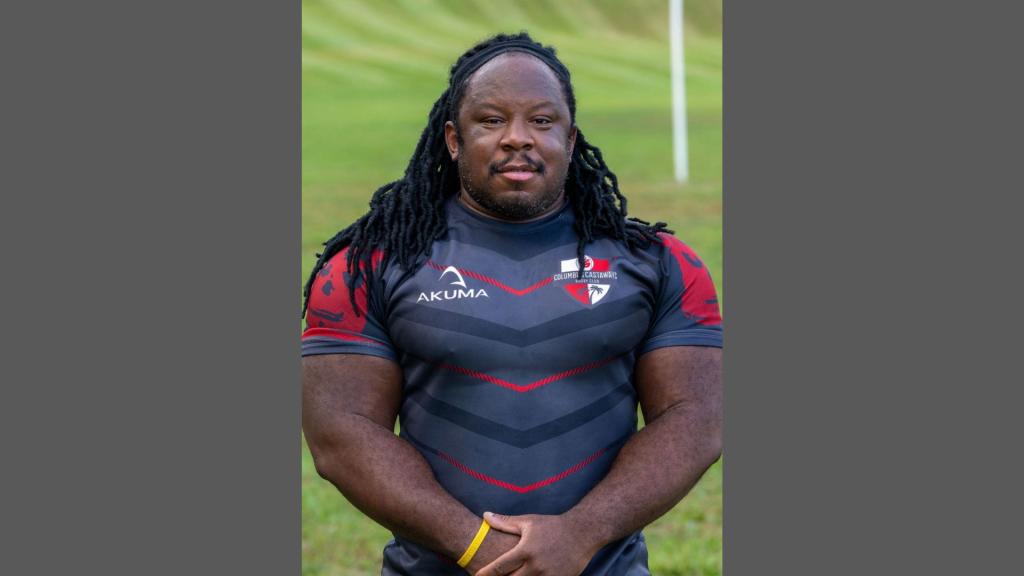
Between powerlifting sessions, rugby matches, nursing school classes, and work shifts, Ike Ezeonwu's schedule reads like a masterclass in time management. Yet somehow, over the past couple of years, he has found time to donate plasma more than 460 times—a commitment that eventually transformed into a career at the very donation center where his journey began.
Ezeonwu's introduction to plasma donation came through a friend, though initially he had no idea what was happening behind the center's doors. "I would drop my friend off, not really understanding what it was or why they did it," he recalled. Eventually, that same friend dragged him inside for his first donation, and everything clicked. Understanding the purpose—that his plasma would help create life-saving medications for patients—gave the process meaning beyond the compensation donors receive for their time.
Over hundreds of donations spanning several years, Ezeonwu has never had a negative experience. His advice for newcomers is straightforward: hydrate, hydrate, hydrate. "Your donation will [take] longer and cause more fatigue if you don't," he emphasized, speaking from extensive personal experience about the direct connection between preparation and comfort.
Now working at the facility, Ezeonwu has gained a valuable perspective on what new donors need to succeed. He's observed that confusion is one of the biggest obstacles for first-timers. "It's important to explain the process and help folks understand it is a unique kind of donation,” he explains, distinguishing plasma donation from more familiar concepts like blood or organ donation.
Ezeonwu has also noticed that new donors, particularly the many students who appreciate the flexible scheduling, often push themselves too hard. His advice: take inventory of how you're feeling. "Don't feel like you're letting someone down if you can't donate twice a week every week," he counseled, encouraging donors to listen to their bodies rather than feeling obligated to maintain an unsustainable pace.
While Ezeonwu appreciates the compensation that bolsters his savings and rainy day funds, money isn't what keeps him coming back—either as a donor or an employee. For him, the real value is crystal clear: "Donation is helping other people. Creating drugs that help people who are immunocompromised." From that first confused drop-off to now, a career in the field, Ezeonwu has discovered that even the busiest life has room for making a difference.

Receive news and helpful resources to your cell phone or inbox. You can change or cancel your subscription at any time.