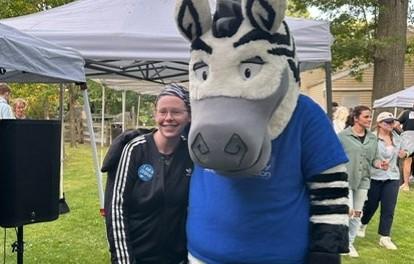
Natural killer cell deficiency inspires student's research
July 22, 2026

The more you understand about primary immunodeficiency (PI), the better you can manage it. Learn about PI diagnoses and treatment options.

Living with primary immunodeficiency (PI) can be challenging, but you’re not alone—many people with PI lead full and active lives. With the right support and resources, you can, too.

Be a hero for those with PI. Change lives by promoting primary immunodeficiency (PI) awareness and taking action in your community through advocacy, donating, volunteering, or fundraising.

Whether you’re a clinician, researcher, or an individual with primary immunodeficiency (PI), these resources will help you advance the field. Get details on surveys, grants, and clinical trials.
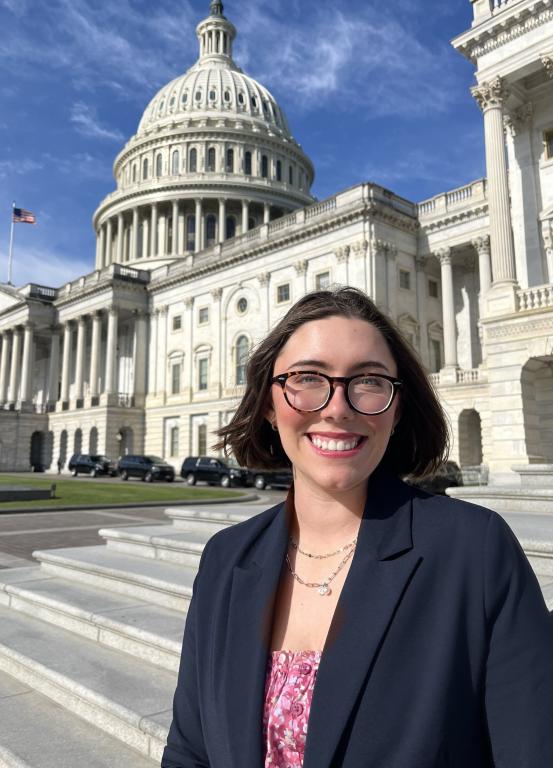
As a teenager, when Madison Dresler finally received the answer as to why she lived with a lifetime of infections, she learned as much as she could about her diagnosis—functional natural killer (NK) cell deficiency, an ultra-rare primary immunodeficiency (PI). Dresler has NK cells, but the cells don’t work properly. NK cells’ role in the immune system is to kill cells infected with viruses as part of the innate immune system, the first line of defense people have against germs.
Dresler wrote a paper on NK cells in high school, highlighted her experiences with the condition in her college essays, and pursued studies related to the innate immune system in college.
“I thought, I'm going to go in there. I'm going to get to the bottom of this. They just don't have anyone who really cares like I do,” said Dresler.
“It was this really big driver for me and the reason I would get out of bed. I just felt so passionate about learning more about how the immune system works, and the idea that I had been helped by clinical research and how much I wanted to help other people.”
Dresler’s infections began when she entered public school. She developed pneumonia in kindergarten and a bacterial stomach infection in second grade. Simple colds weakened her body, allowing throat and ear infections and flu to thrive. Illness caused her to miss months of school and when she tried to return, she immediately got sick again. She ended up completing most of her schooling through a homebound program.
“At some point, we realized that it’s not a malingering sickness that can be improved if I just get back out there. Something is not right,” said Dresler, who added that school officials and doctors accused her and her mother of exaggerating her illness.
In high school, she contracted mononucleosis, caused by the Epstein-Barr virus (EBV), and had a critically low white blood cell count. After a referral to a hematologist and then an immunologist, Dresler learned she had an immune deficiency, but doctors couldn’t identify what kind. They started her on intravenous immunoglobulin (IVIG) replacement therapy and antimicrobials.
At a 2018 retreat, where she met others with PI for the first time, Dresler got a recommendation for an immunologist at Cincinnati Children’s Hospital who determined that she had no NK cell function. That immunologist sent Dresler to a researcher at Columbia University who specialized in NK cell function, where she finally received her diagnosis.
Inspired by her ultra-rare diagnosis, Dresler decided to major in biology and learn more about the innate immune system when she entered Mount Holyoke College.
“I really like the idea of the innate immune system. I think it's so cool that the innate immune system cells don't require any training. They're out there fighting, doing their thing,” said Dresler.
Dresler spent her freshman year online during the pandemic at her new home in Massachusetts. Easing into the academically rigorous environment without having to worry about infection proved a positive experience.
“I felt so fulfilled. My brain and nervous system had been waiting with nothing to do and now they were engaged. Suddenly, I was in this situation where I was being mentally pushed and getting a lot of information and talking to people. At the same time, I wasn’t being physically pushed. I wasn’t being asked to run around campus,” said Dresler.
Mount Holyoke enacted strict COVID-19 vaccine requirements, testing, masks, and social distancing when school resumed. Those precautions combined with commuting instead of living in the dorms allowed Dresler to remain infection-free and, for the first time, she could relax in a school setting.
“I was very healthy and was still able to have interactions with people and learn things and not be exposed to sickness and thought, ‘This is awesome,’” said Dresler.
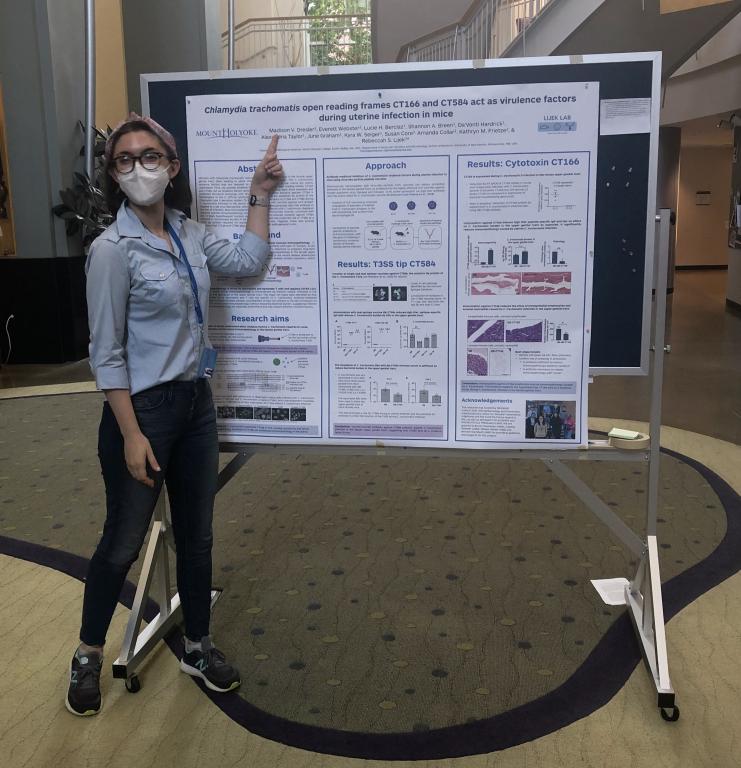
While at Mount Holyoke, Dresler wrote her honors thesis on how depot medroxyprogesterone acetate (DMPA, trade name Depo-Provera), a progestin-only birth control shot administered every three months, affects the body's defenses against infection. Millions of women use DMPA globally. Studies show DMPA is associated with an increased risk of acquiring sexually transmitted infections, including human immunodeficiency virus (HIV) in humans and Chlamydia ssp. in animal models, she explained.
“I studied how the medication changes the immune environment of the female reproductive tract and found that it weakens important barrier and innate immune defenses, making it easier for infections to take hold,” said Dresler.
“The [research] helps explain why DMPA may increase susceptibility to certain infections and contributes to our understanding of how hormones can influence immune protection at mucosal surfaces.”
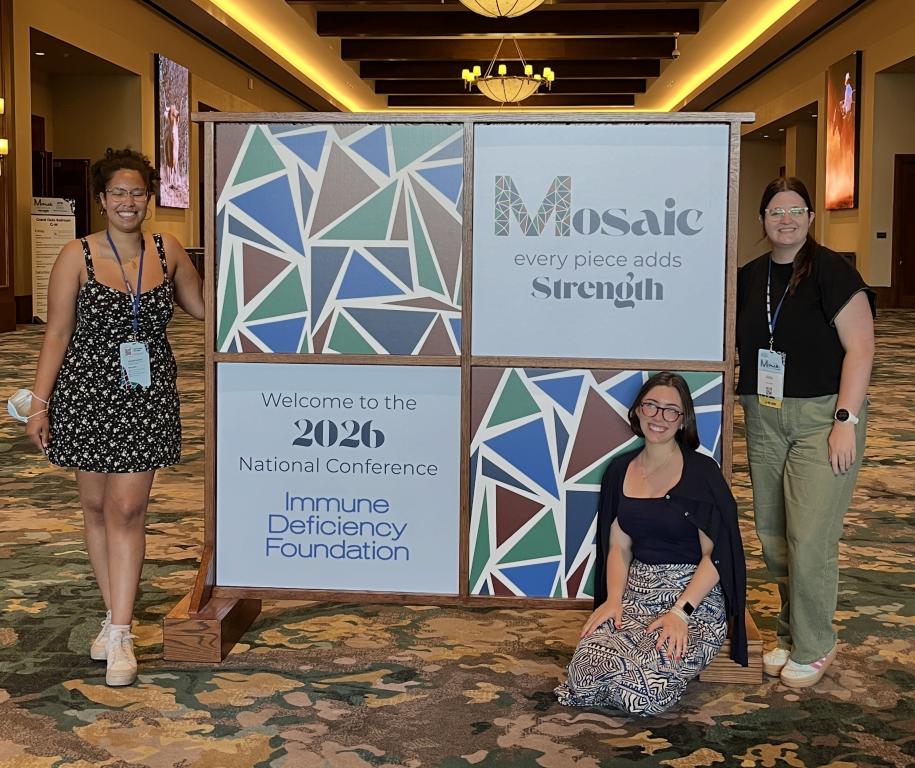
In research at the University of Pennsylvania, Dresler investigated how innate immune system cells called monocytes respond to bacterial infection with Legionella ssp. These bacteria can causes Legionnaires’ disease, a deadly type of pneumonia.
“Our work identified key signaling pathways that help these cells mount an effective inflammatory response, improving our understanding of how the immune system fights infection and informing future research into infectious diseases,” said Dresler.
In her first year working on her Ph.D. in immunology at Yale University, Dresler said she has “completed research spanning mucosal and reproductive immunology, vaccine development, and immunogenetics, investigating the cellular and molecular mechanisms that shape immune responses and their role in human health.”
Ultimately, she wants to focus her career on improving diagnosis and treatment for PI.
“I’d like to help with that knowledge gap, whether it’s getting a diagnosis faster, or figuring out how to navigate health systems better to allow patients to hit the ground running rather than wonder what’s important to know and what’s not important to know,” said Dresler.
Dresler draws strength from the community she’s met through the foundation by attending events like Advocacy Day, conferences, and support groups. The social networks have improved her understanding of her diagnosis and she’s enjoyed connecting with others who live with PI.
“I think one of things that is helpful about going to Immune Deficiency Foundation events is hearing people say what their normal looks like because when I was first diagnosed, I wondered, is this supposed to be my normal level of healthy or am I still going to get sick sometimes? How many infections on Ig are normal versus something is not right?” said Dresler.
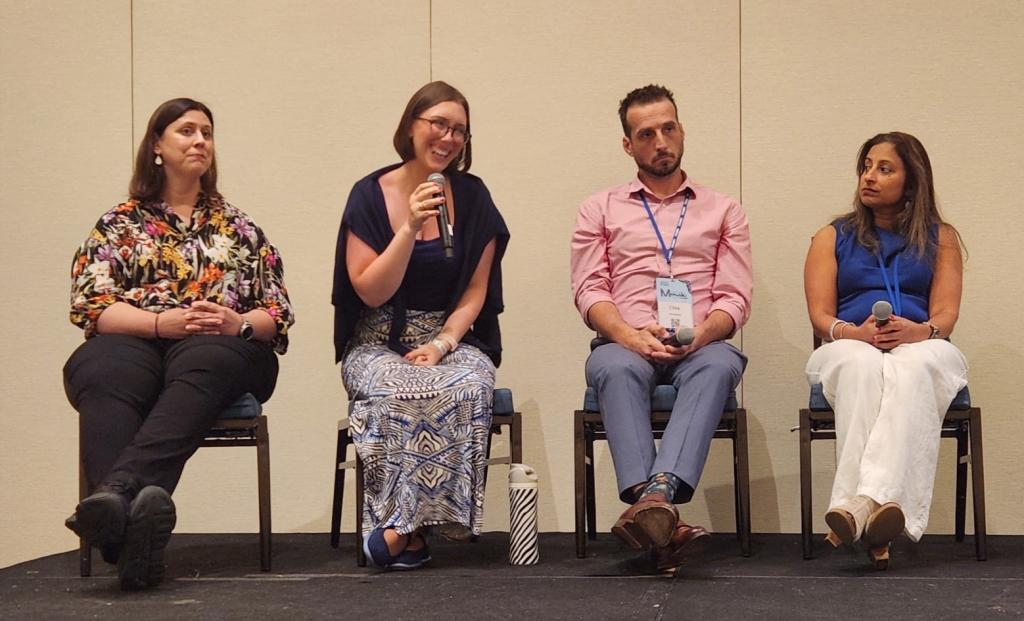
“Treatment is so individual, and it was helpful for me, when I was on a really low dose, for someone to say, ‘that seems like a low dose and you're still getting sick a lot. If you are still having breakthrough infections, you should increase the dose.’”
PI is a complicated diagnostic odyssey, said Dresler, and receiving assistance in navigation and education gives people the knowledge and skills they need to take control of their healthcare.
“When they told me something seems wrong with your immune system, that was all I knew but I needed a name. I just wanted to be able to walk through the door and tell people what’s going on. And now I walk into a new doctor, and I tell them I have an immune deficiency, or I tell them I have an NK cell deficiency. Instead of them saying, ‘This will probably go away on its own,’ they're immediately willing to take me seriously because I have a name for it,” said Dresler.

Receive news and helpful resources to your cell phone or inbox. You can change or cancel your subscription at any time.