
Nurse with ultrarare complement deficiency ‘finds happiness in every day’
October 08, 2026

The more you understand about primary immunodeficiency (PI), the better you can manage it. Learn about PI diagnoses and treatment options.

Living with primary immunodeficiency (PI) can be challenging, but you’re not alone—many people with PI lead full and active lives. With the right support and resources, you can, too.

Be a hero for those with PI. Change lives by promoting primary immunodeficiency (PI) awareness and taking action in your community through advocacy, donating, volunteering, or fundraising.

Whether you’re a clinician, researcher, or an individual with primary immunodeficiency (PI), these resources will help you advance the field. Get details on surveys, grants, and clinical trials.
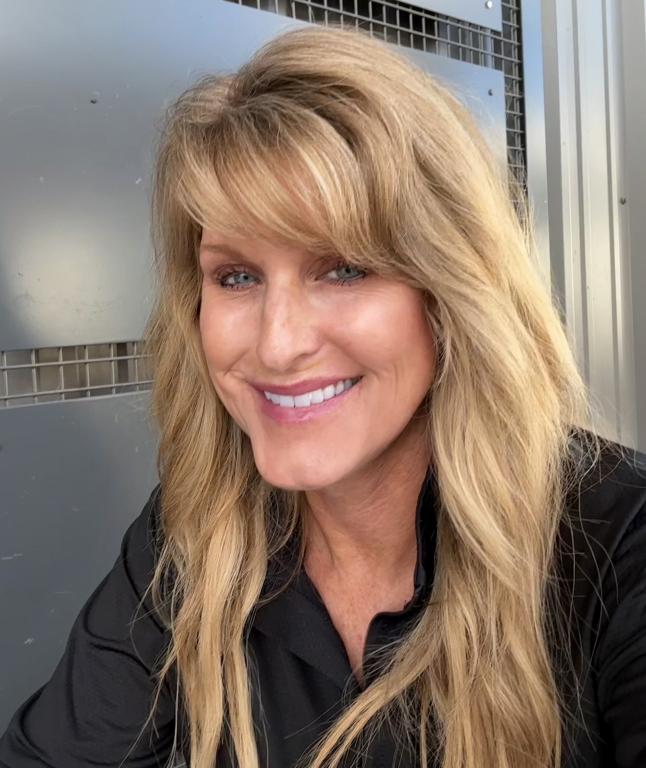
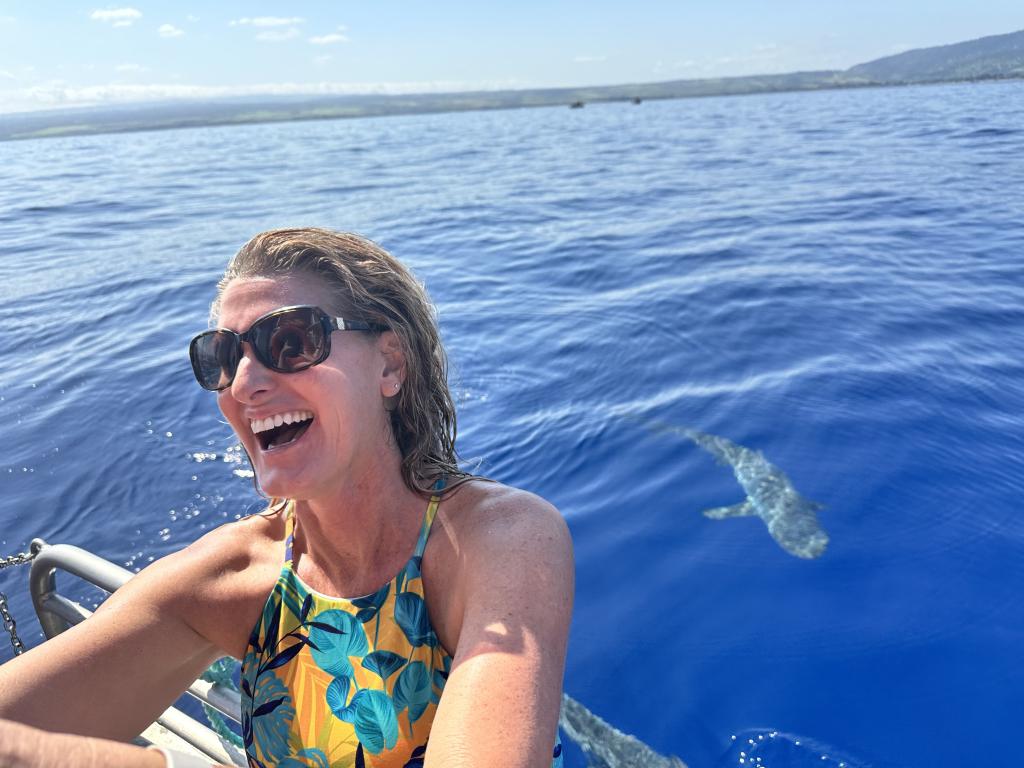
Medically retired from a decades-long career as a nurse because of her primary immunodeficiency (PI), Stacy Ahearn tries to stay as active as possible. She attends her son’s ice hockey games, exercises in her home gym, and runs a Get Connected Group (GCG). A few years ago, Ahearn snorkeled with sharks in Hawaii and took her son to Disneyland.
At the same time, Ahearn sometimes struggles to find the energy she needs to make it through the day. She is diagnosed with two PIs—specific antibody deficiency (SAD) and a rare complement deficiency. She tries to stay healthy with immunoglobulin (Ig) replacement therapy and prophylactic antibiotics, but infection frequently takes hold.
“There’s a lot of skepticism because I don’t look ill. I have this chirpy personality, which I’m not going to give up at all. I still want to be me despite the illness,” said Ahearn.
“However, it’s a part of my life and it did change me. They say, ‘Don’t let your diagnosis change you,’ but it does. When I was a nurse, we told patients, ‘Get out of bed every day, exercise, eat right, take care of your mental health, take care of yourself.’ The fatigue with PI is overwhelming and most days I do my best to stay as functional as possible by managing my time and energy.”
Ahearn had repeated ear infections, bronchitis, and pneumonia growing up, but “we always thought I was just that kid who got sick easily,” she said.
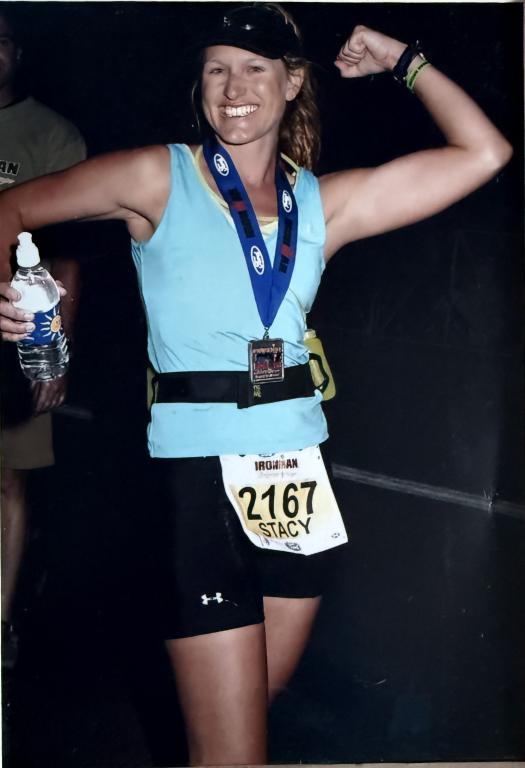
After earning her college degree, Ahearn built a successful career as an intensive care unit (ICU) nurse. She took up running as a hobby and, in her early 30s, ran marathons. She also competed in two Ironman events, which required her to swim, bike, and run over 140 miles combined in a day.
By her late 30s, though, poor health took a toll on her that she couldn’t ignore. As a new mother, Ahearn remembers feeling too weak from pneumonia to care for her 2-year-old son.
“I’m trying to change his diaper, crying and I’m thinking, ‘What the heck is wrong with me?’ I’m an ICU nurse, I’m a marathoner. I went from ‘pretty good,’ to, ‘Oh my God. I can’t get out of bed,’” said Ahearn. “It was very abnormal for me to be that unwell.”
She developed upper respiratory infections from Haemophilus influenzae type b (Hib), rare in adults; a fungal lung infection from valley fever; and pneumonia. Doctors hospitalized Ahearn and tested her immune system.
The testing not only showed antibody deficiency, which weakened her adaptive immune response, but also low values in her complement system, which prevented the innate immune system from launching a defense against germs. In 2014, doctors diagnosed her with SAD but didn’t address the evidence of a complement disorder.
Ig replacement therapy decreased her infections but didn’t eliminate them. Then, in 2015, she lost her peripheral vision. She drove to the eye doctor, who thought she was having a stroke. The eye doctor’s secretary drove Ahearn straight to the hospital emergency room.
At first, doctors thought Ahearn had brain cancer because of tumors in her CT (computed tomography) scans. After a brain biopsy, they found she had acute disseminated encephalomyelitis (ADEM). ADEM is a rare autoimmune disorder that causes inflammation and damage to the protective covering of nerves in the brain and spinal cord. Doctors determined that a virus delivered by a mosquito triggered the condition.
They treated Ahearn with high dose steroids for nine months to shrink the damaged tissue. She worked hard to strengthen her walking skills and her speech.
After several more years of infections and not feeling heard by doctors about her continuing symptoms, Ahearn opted for self-directed genetic testing in 2021. She contacted a genetic testing company, and paid cash for the test.
“My health got very complicated over the years and finally, I had just had enough,” said Ahearn.
Genetic testing showed, in addition to SAD, she has complement factor I deficiency, which causes low C3 levels. The condition leads to uncontrolled activation of the immune system and recurrent, severe bacterial infections.
“The complement system is responsible for inflammation. It’s supposed to tag and blow up very specific encapsulated bacteria like Haemophilus, meningitis, and pneumonia. And then it’s supposed to clean it up. So, my complement system is not doing any of that,” explained Ahearn.
“At least I have genetic proof now. So, when I go see a new doctor, I can say ‘Here’s what’s going on. I don’t respond to encapsulated bacteria or vaccines, and I will not make an antibody response.’”
There is no specific treatment for Ahearn’s type of complement deficiency. She continues taking Ig therapy for the antibody deficiency, relies on prophylactic antibiotics, and takes some vaccines because her T cells still work. She needs early, aggressive antibiotics for infections, including those administered intravenously (IV).
Sometimes, even that’s not enough. In 2023, after receiving IV antibiotic treatment for an ear infection, Ahearn required surgery. Surgeons removed diseased tissue from her mastoid bone (the hard bone behind the ear) and performed ear drum replacement and ear canal reconstruction.
Ahearn said it’s frustrating when people lack understanding of her condition, and how a simple infection can lead to a life-threatening event.
“It’s just this never-ending cycle of infections. I hear, ‘Oh, you just have a cold, you’ll be fine.’ That is not the case. And then I look like I'm being anxious or dramatic,” said Ahearn. “There's some that really get it. There's some that still don't get it to this day. I take precautions, avoid people who are sick, wash my hands, and live the best life I can immunocompromised.”
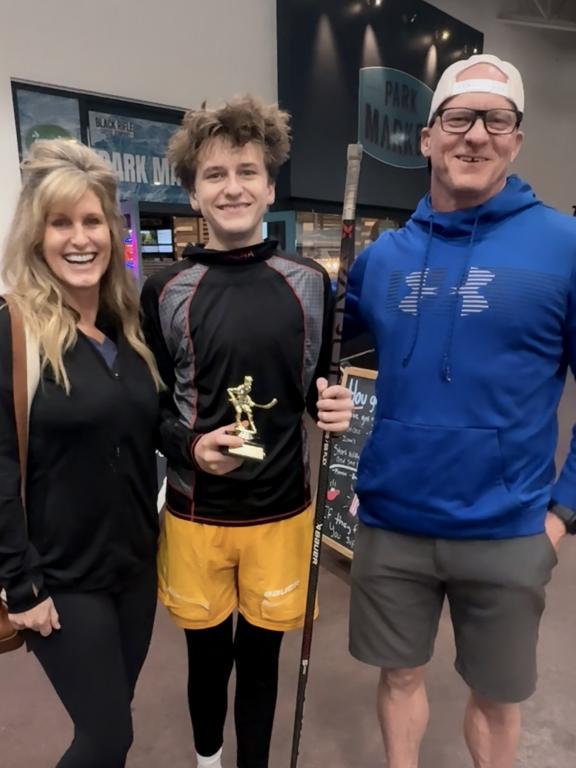
Although her marathon days are behind her, Ahearn still enjoys hiking, working out or meditating in her home gym, and being part of the “ice hockey club” that supports her son’s team.
“I still can find happiness in every day. I don't want to miss my life. I know what's waiting for me on the other side of ICU, and I want my good days to matter. I'm not going to waste them,” said Ahearn.
“You just try to just keep up. People expect you to do the same things you did before you got sick. When you can't, they ask, ‘Well, why not? You just need to try harder.’ And I reply, ‘No, I really have some trouble.’ And with fatigue, which every PI patient has, coffee does not help, sleep doesn't help. It's just kind of oppressive.”
Ahearn has relied on the Immune Deficiency Foundation for resources and support since her first PI diagnosis in 2014. She appreciates her volunteer role as leader of the Arizona GCG and the opportunity to bond with others who experience similar health issues.
“We have a fun group of people who get it. We air our grievances and be done with it. We have some laughs about real life with PI. It’s really nice to belong,” said Ahearn.
Ahearn’s using her nursing background and knowledge of her condition to write a book about living with PI and the complement deficiency. She’s also searching for a clinical study to join.
“It’s very lonely and isolating. I still cannot find one other person with this specific PI. And I just found out through the National Organization for Rare Diseases (NORD) that I'm patient No. 50-whatever with this specific PI. And I'm thinking, ’OK, now tell me what to do with this. Where do I go so I can get registered? Who needs some blood to study so they can learn more?’ So that's my next project,” said Ahearn. “I’m really looking forward to the next decade to see if science can catch up with this diagnosis.”



Receive news and helpful resources to your cell phone or inbox. You can change or cancel your subscription at any time.